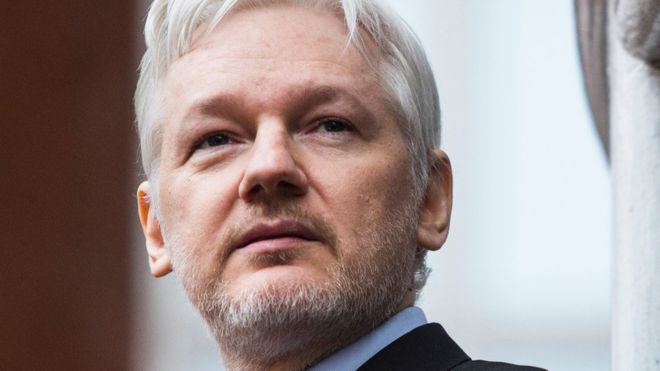
Julian Paul Assange is an Australian computer programmer, internet activist, editor and spokesperson for the website WikiLeaks. A few years ago, he made confidential information from the United States and many other countries, supposedly protected as “state secrets,” available to the world, offering the public a glimpse of the dirty realities behind state institutions. He put documents and video footage online showing the massacres carried out by the US in Iraq under the name of military operations, the civilians killed, and more. By publishing secret information involving many countries, he laid bare governments’ dirty politics for people to see.
In his essay “Conspiracy as Governance,” Julian Assange explains how leaking information can bring down governments that maintain their power through secrecy rather than representing their people. Radical Democracy is a concept he advocates.
WikiLeaks, which he founded, published rules governing the treatment of prisoners at the American base at Guantánamo in Cuba, information about extrajudicial executions in Kenya, and documents and videos concerning civilian deaths in the wars in Afghanistan and Iraq.
Towards the end of November 2010, documents released to the public on WikiLeaks caused a major stir, and a smear campaign was launched against Assange. An allegation of sexual misconduct, in a case that has since been dropped, was one part of it.
In 2012, he applied for asylum in Ecuador and was granted it. Britain criticised the Ecuadorian government’s decision and threatened to enter the embassy and take him if necessary. Assange had continued living in a room in the Ecuadorian embassy from those years until now. Eventually, pressure from the imperialist states paid off, and he was forcibly dragged out of the Ecuadorian embassy in London in recent days. Ecuador did not stop there: immediately after violating his right to asylum, it also revoked the citizenship it had granted him.

WikiLeaks argued that Ecuador had unlawfully withdrawn Assange’s asylum, stating: “Assange did not leave the embassy. The Ecuadorian ambassador invited the British police in, and Assange was immediately detained.”
There are allegations that the real reason for handing Assange over was an agreement under which the Ecuadorian president would surrender him to the imperialists in return for certain dirty financial dealings involving the president and his associates remaining undisclosed.
Strong calls are coming from many quarters for Assange not to be handed over to the United States. It is very important that any trial take place in Sweden, because everyone has doubts about the kind of justice the US would offer him.
My advice to young people is to see Julian Assange as a fighter for freedom and justice in today’s circumstances. If there were more people like Assange in the world, neither states nor hidden organisations serving imperialism could make decisions behind closed doors in which human deaths amount to nothing more than statistics. Perhaps state institutions and the authorities in power would not have been able to act with such cruelty and indifference.
Julian Assange’s struggle, idealism and courage offer the example of a life from which we can all learn.
As capitalism’s waters slowly heat up and the sirens begin to sound, the world is approaching another crossroads. Democracy, statehood and justice, far from being truly embraced by modern societies, have become imposed structures serving the interests of particular groups. Today, Julian Assange has become the voice of the graves on which that structure was built. Tomorrow it will be someone else.